Ever wondered what keeps businesses safe from the chaos of human mistakes? Enter Errors and Omissions Insurance—a crucial safety net that ensures professionals can keep their cool, even when things go awry. But in Washington State, this isn’t just any insurance policy; it’s a lifeline that’s intricately woven into the fabric of doing business. Let’s dive into the specifics of E&O insurance in this region, where regulations and requirements shape how businesses shield themselves from potential pitfalls.
As digitalization and dynamic markets redefine the business landscape, Washington State’s take on E&O insurance stands out with its unique blend of regulations and industry-specific demands. Whether you’re a seasoned professional or a startup visionary, understanding how E&O insurance operates in this state could be your ace in the hole. Ready to explore? Let’s unpack the intricacies of errors and omissions insurance in the Evergreen State.
Understanding Errors and Omissions Insurance
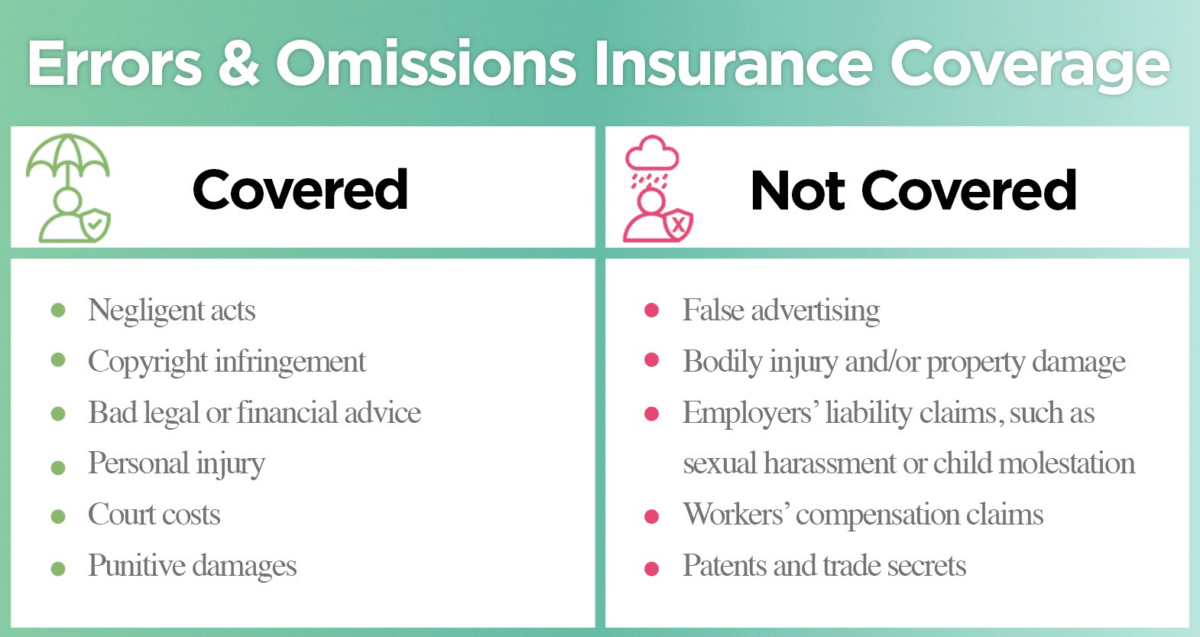
Did you know that nearly 30% of small businesses face legal threats every year? It’s true. And that’s where Errors and Omissions (E&O) Insurance comes into play.
This type of insurance is a must-have for anyone who provides professional services. It protects you when a client claims that your work caused them financial harm. Whether it’s a miscommunication, a mistake, or an oversight, E&O has got your back.
Purpose and Definition of Errors and Omissions Insurance
Think of E&O insurance as a safety net. It’s designed to cover the costs of defending your business in court and any settlements or judgments. This means legal fees, court costs, and damages might be covered.
Here is the deal: if you’re a consultant who gives advice or a graphic designer delivering a project, E&O insurance is essential. It’ll protect you if a client sues because they’re unhappy with your work or the results they got.
Common Industries That Require E&O Insurance
Many industries rely on E&O insurance. If you’re in tech, finance, real estate, or healthcare, this insurance is practically a necessity. Why? Because mistakes happen. And when they do, clients are quick to point fingers and demand compensation.
Even if you’re a freelancer, don’t assume you’re immune. Client expectations are higher than ever. And a simple typo or missed deadline can lead to a costly lawsuit.
Pro Tip: Always review your E&O policy to ensure it covers the specific services you offer.
Comparison with Other Types of Business Insurance
To truly understand where E&O fits in your insurance strategy, let’s compare it with other business insurances:
| Insurance Type | What It Covers | Who Needs It |
|---|---|---|
| Errors and Omissions | Mistakes in professional services | Consultants, real estate agents, IT professionals |
| General Liability | Bodily injury and property damage | Brick-and-mortar businesses, retail stores |
| Professional Liability | Broader professional mistakes and negligence | Doctors, lawyers, accountants |
| Product Liability | Defects in products sold | Manufacturers, retailers |
As you can see, each insurance type covers different scenarios. Make sure you choose the right coverage for your business needs.
Importance of Errors and Omissions Insurance in Washington State

Did you know that operating a business in Washington without Errors and Omissions Insurance could cost you thousands? It’s not just a financial safety net; it’s a legal necessity.
Washington State has specific regulations that make E&O insurance critical for businesses. This isn’t just about protecting your wallet; it’s about compliance. But what exactly do you need to know?
Regulations and Requirements for E&O Insurance in Washington
In Washington, E&O insurance isn’t just a smart choice—it’s a requirement for many industries. The state mandates coverage to ensure that businesses can handle claims of negligence or inadequate work. If you’re in real estate, consulting, or any client-focused industry, the law may require you to have this coverage. Here is the deal: Operating without it could mean hefty fines and legal action.
Legal Implications of Not Having E&O Insurance
Skipping E&O insurance isn’t just risky; it’s potentially disastrous. Washington law means business when it comes to protecting consumers. If your business is caught without the required coverage, you could face costly penalties and even be barred from operating. In a state that prioritizes consumer protection, compliance isn’t optional; it’s crucial.
In Washington State, having Errors and Omissions Insurance is not just a recommendation—it’s a legal obligation for many businesses.
Costs and Factors Influencing Premiums
Did you know that the cost of Errors and Omissions (E&O) insurance can vary drastically from one business to another? If you’re operating in Washington State, you might be paying more than your neighbor for seemingly the same coverage. But there are specific factors that influence these premiums.
It’s crucial to understand these factors to make informed decisions and save on costs. E&O insurance premiums are not just plucked from thin air—they’re calculated based on multiple variables. Here is the deal: knowing these can help you anticipate and potentially reduce your premium costs.
Key Factors Affecting Premiums in Washington State
Your E&O insurance premium isn’t a fixed number. It’s influenced by several primary factors. These include the size of your business, the industry you operate in, the claims history, and even the amount of coverage you choose. For example, a tech startup might pay differently compared to a financial advisory firm. But it’s not just about the type of business—claims history is a big deal too. If you’ve had claims in the past, expect a higher premium.
Pro Tip: Keep your business’s claims history clean to potentially lower your E&O premiums over time.
Cost Structures and Hypothetical Premium Calculations
When it comes to cost structures, not every policy is the same. Some policies offer a flat rate, while others might have customizable options based on your specific needs. Here’s a simple breakdown of what hypothetical premium calculations might look like:
| Business Type | Annual Revenue | Premium Estimate |
|---|---|---|
| Small Tech Startup | $250,000 | $1,200 |
| Mid-sized Financial Firm | $1,000,000 | $5,000 |
| Large Healthcare Provider | $10,000,000 | $20,000 |
Impact of Business Size and Industry Type on Pricing
Now, let’s talk about how specific factors like business size and industry type directly influence what you pay. Larger businesses typically face higher premiums, simply because their risk is usually higher. On the flip side, smaller businesses may pay less, but they might also have less flexibility in their coverage options. Industry type is another biggie. If you’re in a high-risk industry like healthcare, expect to shell out more than if you’re in a lower-risk sector like retail.
Understanding these dynamics helps you choose an insurance plan that not only fits your budget but also provides the right level of protection for your specific business needs.
Selecting the Right Errors and Omissions Insurance Policy
Choosing an Errors and Omissions (E&O) insurance policy isn’t just about ticking a box. It’s about making sure your business is shielded from potential financial disasters.
Here’s the deal: the wrong policy can leave you exposed when you least expect it. So how do you make the right choice?
Step #1: Identify Your Business Needs
Start by evaluating what your business specifically needs in an E&O policy. Do you primarily need coverage for legal defense, or is financial compensation for clients more critical? Knowing your priorities will help narrow down your options.
Step #2: Compare Policy Features and Options
Not all policies are created equal. Look for features like industry-specific coverage, policy limits, and deductible amounts. A higher deductible might lower your premium, but it also means more out-of-pocket expenses when a claim arises. Compare these features closely to find what aligns best with your needs.
Assessing Insurance Providers and Their Policies
Before you sign on the dotted line, vet the insurance provider. Research their reputation and customer reviews. Are they known for handling claims efficiently? How have they performed for other businesses in your industry?
- Check for any pending litigation against the provider.
- Verify the provider’s financial stability. You want them to be around when you need them.
- Review customer testimonials and experiences with claim processes.
Step #3: Evaluate Policy Terms and Conditions
Reading the fine print isn’t fun, but it’s crucial. Look beyond the bold headlines and delve into the terms and conditions. Key areas to scrutinize include exclusions, coverage limits, and renewal terms. You don’t want surprises when you’re already dealing with a claim.
Pro Tip: Ask for a sample policy document. This allows you to review all terms and conditions before committing.
Step #4: Seek Professional Advice
If you’re feeling overwhelmed, you’re not alone. Consider consulting with a trusted insurance advisor who can offer insights tailored to your business. They’re in the trenches every day and can steer you away from common pitfalls.
By following these steps, you’ll be in a strong position to select an E&O policy that safeguards your business and gives you peace of mind.
Claims Process and Risk Management
Did you know that 1 in 5 businesses faces a professional liability claim every year? If you’re not prepared, navigating the claims process can be daunting. Let me guide you through it.
Filing a claim with Errors and Omissions (E&O) insurance doesn’t have to be as complex as it sounds. When you know the steps, you’re already ahead of the game. Here’s what you need to do to ensure a smooth claims process and effectively manage risks.
The Claims Process Explained
When a claim arises, speed and accuracy are your best allies. First, contact your insurer immediately to notify them of the claim. This is crucial because delays can complicate your case. Once notified, your insurer will request detailed information about the incident. Be prepared to provide all necessary documents and evidence.
Next, the insurer assigns a claims adjuster to your case. This person will investigate the claim and determine its validity. If approved, the insurer will handle legal fees and settlements, so you won’t have to worry about out-of-pocket expenses. Pro Tip: Keep all communications with your insurer in writing. This helps you track the progress and ensures nothing gets lost in translation.
Effective Risk Management Strategies
Now, let’s talk about avoiding claims altogether. It’s all about risk management. Identify potential risks in your business processes and address them before they turn into problems. Regular training for your team on best practices is a must. It not only reduces errors but also keeps everyone aligned. Use contracts to clearly artikel terms and expectations with clients. This minimizes misunderstandings that could lead to disputes.
Prevention is better than cure. Implementing risk management strategies can save your business time and money.
Typical Timeline and Steps in the Claims Process
Let’s break down the claims process into a clear timeline. Here’s a simple table to guide you:
| Step | Action | Estimated Time |
|---|---|---|
| Step #1 | Notify Insurer | Immediate |
| Step #2 | Submit Required Documentation | Within 1-2 Weeks |
| Step #3 | Claims Investigation | 2-4 Weeks |
| Step #4 | Resolution | Varies |
By understanding each step and its timeline, you can better navigate the claims process and focus on what matters most—your business.
Future Trends and Developments in E&O Insurance

Are you ready for the future of Errors and Omissions insurance? The landscape is changing FAST, and if you’re not keeping up, you could be at a disadvantage. Let’s dive into what’s on the horizon for E&O insurance.
The market is evolving with new risks and opportunities. Understanding these trends is crucial to stay ahead.
Emerging Trends in the Errors and Omissions Insurance Market
Here’s the deal: the E&O insurance market is seeing some major shifts. More industries are realizing the need for this coverage as risks diversify and intensify. Tech companies and consultants are now high on the list, driving demand up.
Step #1 in staying competitive? Recognize how the gig economy and digital transformation are creating new liabilities. This means more professionals need protection against potential client lawsuits.
Technological Advancements Impacting the E&O Insurance Industry
Technology isn’t just changing how we work; it’s transforming E&O insurance. AI and data analytics are now playing a huge role in risk assessment and policy customization. This means insurers can offer more tailored coverage at competitive rates.
Pro Tip: Embrace technology to better understand your risk profile and explore policies that fit your specific needs.
Step #2? Leverage tech to streamline the claims process. Real-time data and automated systems are reducing friction and enhancing customer experience.
Potential Legislative Changes Affecting E&O Insurance in Washington State
But wait, there’s more: possible legislative changes could impact your E&O policy. Washington State is reviewing regulations to address emerging risks and expand coverage requirements. Stay informed to ensure your policy remains compliant and effective.
Expect stricter regulations on data privacy and cyber liability, which could affect premiums and policy terms. Being proactive now will save you headaches later.
Last Word
As we wrap up our exploration of errors and omissions insurance in Washington State, it’s clear that this policy is more than just a legal mandate—it’s a strategic tool for risk management. Staying informed about your options and the evolving landscape of E&O insurance ensures that your business remains resilient in the face of uncertainty. So, whether you’re safeguarding your consulting firm or a tech startup, having the right E&O coverage could be the shield that protects your entrepreneurial dreams.
Common Queries
What is Errors and Omissions Insurance?
Errors and Omissions Insurance, often known as E&O insurance, is a type of professional liability insurance that protects businesses and individuals from claims made by clients for inadequate work or negligent actions.
Why is E&O insurance important in Washington State?
In Washington State, E&O insurance is crucial due to specific regulatory requirements that mandate this coverage for various professions to protect against legal claims stemming from errors or omissions.
How does E&O insurance differ from general liability insurance?
While general liability insurance covers physical injuries and property damage, E&O insurance specifically covers financial losses resulting from professional mistakes or failures to perform services.
What factors influence E&O insurance premiums in Washington?
Premiums for E&O insurance in Washington are influenced by factors such as the size of the business, industry type, claims history, and the level of coverage chosen.
How do I file a claim with my E&O insurance provider?
To file a claim, you typically need to notify your insurer immediately, provide detailed documentation of the incident, and cooperate with the claims investigation process.
What industries typically require E&O insurance?
Industries such as real estate, technology, consulting, and healthcare often require E&O insurance due to the high risk of professional liability claims.
