Hey there, savvy entrepreneur! Navigating the world of small business insurance can feel like diving into the deep end without a life jacket. But fear not! We’re here to break down the essentials so you can keep your business afloat and thriving.
In today’s fast-paced business environment, understanding the ins and outs of small business insurance isn’t just a smart move—it’s a necessity. Whether you’re a startup or have been in the game for years, securing the right insurance can safeguard your hard work and future growth. Let’s dive in!
Understanding Small Business Insurance Needs
Did you know that 40% of small businesses are underinsured? That’s a staggering number!
Small business insurance is not just a safety net. It’s a necessity for every entrepreneur. Imagine facing a lawsuit without protection. Yikes!
The Importance of Small Business Insurance
As an entrepreneur, you juggle many balls. But one bad bounce can bring everything crashing down. That’s where insurance comes in. It shields you from financial ruin when things go south. Whether it’s a natural disaster or a legal battle, having the right coverage is crucial.
Types of Small Business Insurance Needed
Here is the deal: you can’t just grab any policy off the shelf. You need the right type. Typically, small businesses require several types of insurance:
- General Liability Insurance: Covers third-party claims to bodily injury or property damage.
- Property Insurance: Protects the physical assets of your business.
- Workers’ Compensation Insurance: Essential if you have employees. Covers workplace injuries.
- Professional Liability Insurance: Also known as Errors and Omissions (E&O) insurance. Protects against claims of negligence or mistakes.
Risks of Operating Without Proper Insurance
But what happens if you skimp on insurance? You’re playing with fire. Risks like theft, lawsuits, and natural disasters can cripple your business if you’re not prepared.
Pro Tip:
Always review your insurance needs annually. Businesses grow, and so do their insurance requirements.
Think of insurance as your business’s armor. Without it, even a minor incident can turn into a major catastrophe. Don’t gamble with your livelihood.
Types of Small Business Insurance

Did you know that 40% of small businesses will experience a property or liability loss within the next 10 years? The right insurance can mean the difference between thriving and closing up shop.
Small business insurance isn’t just a nice-to-have—it’s a must-have. But with so many types, how do you know which ones to choose?
General Liability vs. Professional Liability
Let’s start with the basics: General Liability Insurance covers some of the most common risks. Think slip-and-fall accidents or damaged property claims. On the other hand, Professional Liability Insurance is your best friend if you’re in a service industry where giving advice is the norm. It protects against claims of negligence or mistakes in your professional services.
Here’s a quick comparison to make it crystal clear:
| Insurance Type | Coverage Focus | Best For |
|---|---|---|
| General Liability | Bodily Injury, Property Damage | Retail, Restaurants, Manufacturing |
| Professional Liability | Negligence, Errors, Omissions | Consultants, Accountants, IT Professionals |
So, if you’re a consultant, professional liability is your go-to. But if you run a storefront, don’t skimp on general liability.
Benefits of Property Insurance
Now, let’s talk property. Property Insurance covers physical assets: your office, machinery, inventory, and more. Imagine a fire or a break-in. Without this insurance, you might be paying out of pocket for the damage or loss.
Here is the deal: property insurance helps you recover faster when disaster strikes. It offers peace of mind, knowing your investment is protected. Plus, some policies even cover loss of income if your business is forced to close temporarily.
Pro Tip: Bundle your property insurance with other coverages to get discounts.
So, make sure you evaluate what assets are crucial to your business and get them insured pronto.
Factors Affecting Insurance Costs
Ever wondered why your small business insurance premiums seem sky-high? You’re not alone. Let’s dive into what really makes those numbers tick up or down.
Here’s the deal: several factors can make or break your insurance costs. Things like business location, industry type, and even your claim history. But don’t sweat it—understanding these elements puts you back in the driver’s seat.
Key Influences on Insurance Premiums
Your business’s location plays a huge role. Are you in a flood-prone area? Expect higher rates. The same goes if you’re operating in an industry considered high-risk, like construction or food services.
Also, your business size matters. More employees or higher revenue can bump up costs. And let’s not forget about your claims history. Frequent claims? That’s a red flag for insurers.
Strategies to Reduce Insurance Premiums
Worried about breaking the bank on premiums? You can absolutely take steps to minimize them.
- Improve workplace safety to prevent incidents.
- Bundle multiple policies with the same insurer for a discount.
- Regularly review and update your coverage to avoid paying for what you don’t need.
- Increase your deductible for lower premium costs.
Pro Tip: “Review your policies annually. Your business is evolving, and so should your coverage.”
Insurance Riders and Their Cost Impact
Adding riders can customize your policy but often at an added cost. Here’s what you might consider:
- Business Interruption Rider: Covers loss of income after a disaster.
- Cyber Liability Rider: Protects against digital threats.
- Equipment Breakdown Rider: Covers repair or replacement of essential gear.
- Professional Liability Rider: Offers protection against claims of negligence.
Think carefully about which riders add real value versus those that could inflate your costs without offering substantial benefits.
How to Choose the Right Insurance Provider
Did you know that nearly 40% of small businesses have never reviewed their insurance policies? Crazy, right? If you want to avoid being part of this statistic, picking the right insurance provider is crucial.
But how do you sort through all the noise and find the right fit for your business? Here is the deal: It’s all about knowing what to look for and how to compare your options.
Criteria for Selecting a Reliable Insurance Provider
First things first, you need a provider with a strong financial stability. This ensures they can actually pay out claims when needed. Look for ratings from agencies like A.M. Best or Moody’s. Also, consider the provider’s experience in your industry. A provider familiar with your business type will understand the risks better.
Customer service is another biggie. Test their responsiveness by reaching out with questions. Finally, pay attention to user reviews and testimonials—real-world feedback can reveal hidden strengths or weaknesses.
Comparing Insurance Quotes from Different Providers
Alright, now let’s talk numbers. To compare quotes, gather at least three to five offers from different providers. Look beyond the price tag. You want to compare the coverage details, deductibles, and any additional benefits.
| Provider | Coverage | Deductible | Premium |
|---|---|---|---|
| Provider A | Comprehensive | $500 | $1200/year |
| Provider B | Basic | $1000 | $1050/year |
| Provider C | Comprehensive | $750 | $1300/year |
Don’t just go for the cheapest option. You want the best value for your money. Look for any exclusions or limitations that could leave you exposed. And remember, you can sometimes negotiate better terms!
Evaluating the Credibility of an Insurance Company
Step #1, verify the company’s licensing in your state. This ensures they’re legally allowed to operate and sell insurance where you are.
Step #2, check for any complaints filed against them with your state’s insurance department. A pattern of complaints can be a red flag.
Step #3, look for any industry awards or recognitions. These can be indicators of a company’s reputation and reliability.
Pro Tip: “Use online tools and resources like the National Association of Insurance Commissioners (NAIC) Consumer Information Source to dig deeper into a company’s background.”
By following these steps, you’ll be well on your way to choosing a trustworthy insurance provider that meets your business’s unique needs.
Benefits of Having Small Business Insurance

Ever wondered what could wipe out your business faster than a bad Yelp review? Lack of insurance. Small business insurance isn’t just a “nice-to-have.” It’s your business’s best friend when things go sideways.
Insurance acts as a financial safety net. It shields you from liabilities that could otherwise mean shutting shop. But let’s get into why these benefits matter for your day-to-day operations.
Protection Against Financial Loss
Without insurance, a single lawsuit or natural disaster could spell doom for your business. When you’re covered, you don’t just sleep better at night; you ensure your business can survive setbacks. Imagine a fire breaking out in your store—insurance covers not only the physical damage but also lost revenue during downtime. Your cash flow remains intact even when disaster strikes.
Safeguarding Against Liabilities
Liabilities are like landmines waiting to explode under your business. Whether it’s a slip-and-fall accident or a product defect, the costs can be astronomical. Here’s the deal: insurance helps you manage these risks effectively. A single slip could cost you thousands in legal fees and settlements if you’re uninsured. With insurance, those costs are someone else’s headache.
Pro Tip: “Choose a policy that covers both general and professional liabilities to ensure comprehensive protection.”
Real-World Case Studies
Let’s talk real-world scenarios. Take the case of a bakery that suffered a severe weather event. Their insurance not only covered the repair costs but also compensated them for lost income, keeping the business afloat. Or the tech startup facing a patent lawsuit—without insurance, legal fees alone could have sunk them. But their policy came through, saving them from financial ruin.
Common Misconceptions About Small Business Insurance
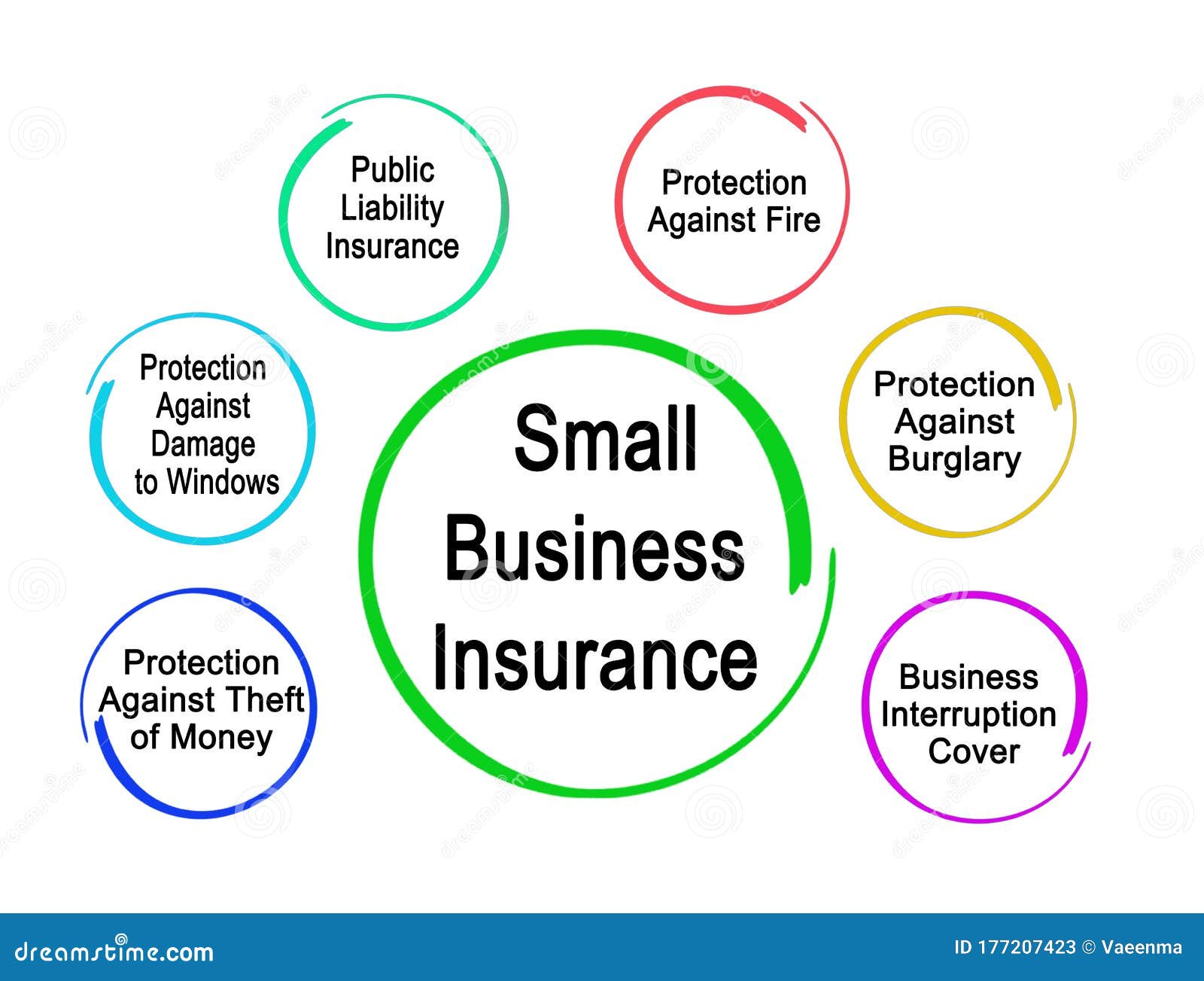
Think you know everything about small business insurance? You might want to think again. Many entrepreneurs fall victim to myths that can cost them big time.
Believing the wrong thing can lead to poor decision-making and leave your business exposed. Let’s break down these misconceptions and set the record straight.
“I Don’t Need Insurance Because My Business Is Too Small”
Many small business owners think they can fly under the radar without insurance. BUT, this is a risky mindset. Even a single accident or lawsuit can cripple your business financially.
- Small businesses are just as vulnerable as large companies.
- Even home-based businesses need protection.
- Without insurance, everything you’ve worked for could disappear overnight.
“Small businesses are responsible for 44% of U.S. economic activity. Imagine not protecting that investment.”
“I’m Covered by My Homeowners Insurance”
This is a big one! Many home-based business owners assume their homeowners insurance will cover their business losses. Here’s the deal: it usually doesn’t.
Your homeowner’s policy typically excludes business-related claims. That means if a client gets injured on your property or your business equipment is damaged, you could be on your own.
“Homeowners insurance and business insurance are not the same. Don’t leave your business exposed.”
“Insurance Is Too Expensive”
Yes, business insurance costs money. But here’s the kicker: NOT having it can cost you a lot more. Many business owners overestimate the cost of insurance and end up underinsured.
- Insurance is an investment in your business’s future.
- The average small business insurance policy is more affordable than you think.
- Consider the cost of one lawsuit versus a yearly premium.
“Think of insurance as a small price to pay for peace of mind.”
“I Only Need the Bare Minimum Coverage”
Some business owners opt for minimal coverage to save on costs. But, minimal coverage might not be enough when disaster strikes.
It’s crucial to assess your specific risks and choose coverage that matches your unique needs. Skimping on coverage could leave you with hefty out-of-pocket expenses.
“Pro Tip: Conduct a risk assessment to determine the right coverage for your business.”
Summary
Wrapping things up, it’s clear that having the right small business insurance is a game-changer. Not only does it protect against unforeseen risks, but it also gives you peace of mind to focus on what truly matters: growing your business. Don’t just survive—thrive with the right coverage!
Q&A
What is small business insurance?
Small business insurance is a type of coverage designed to protect your business from various risks and potential financial losses, including property damage, liability claims, and more.
Why do I need small business insurance?
Insurance is crucial for guarding your business against unexpected events that could lead to financial hardships, such as lawsuits, accidents, or natural disasters.
What are the common types of small business insurance?
Common types include general liability insurance, professional liability insurance, and property insurance.
How are general liability and professional liability insurance different?
General liability covers physical injuries and property damage, while professional liability focuses on negligence or errors in the services you provide.
How can I reduce my small business insurance premiums?
Some strategies include increasing your deductible, bundling policies, maintaining a good credit score, and implementing safety measures to reduce risk.
